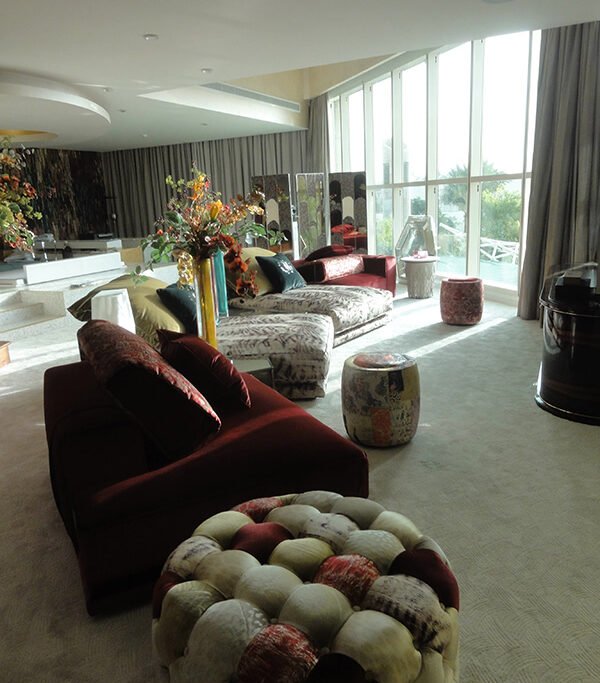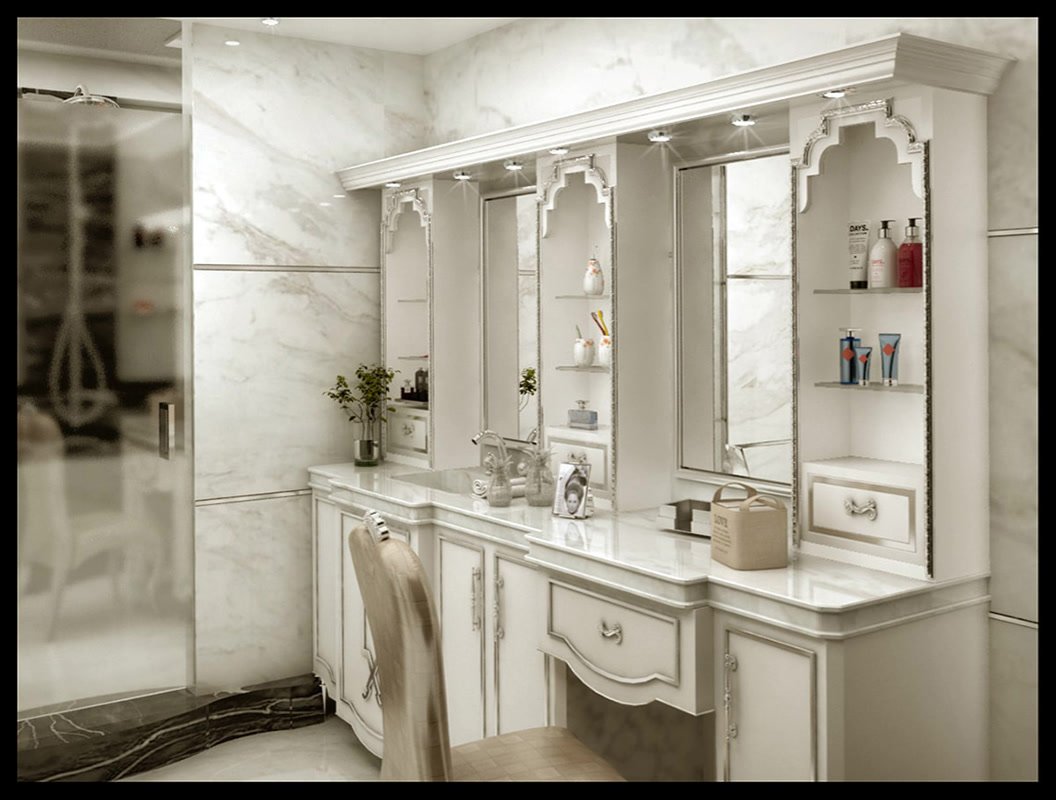
A Material Palette With Depth: Stone, Timber and Metal
A memorable interior rarely depends on the number of finishes it contains. Its character comes from the relationship between them: a quiet background, one material with presence, and details that connect the composition. A considered palette makes those relationships legible.
Choose a starting point
Begin with the atmosphere and daily demands of the project. A family kitchen, a private bedroom and a reception space place different demands on their surfaces. Identify a leading material that supports the intended mood, then use supporting finishes to bring balance rather than competition.
Place full-size samples beside one another. Small swatches can conceal the scale of a stone vein or the variation in timber. Where possible, review a representative slab, board or mock-up before approving an important surface.
Balance texture and reflection
Stone can introduce movement, timber can soften the composition, and metal can define a precise edge. Their effect depends on finish as much as colour. Honed, brushed, polished and open-grain surfaces each respond differently to light.
Decide where reflection will help the space and where it may become distracting. A highly polished finish across several large surfaces can create a very different atmosphere from the same palette in softer finishes. Review the materials under daylight and the proposed evening lighting together.
Design the meeting points
The quality of a palette is tested where materials meet. Study floor transitions, worktop edges, skirting, door frames and the junction between cabinetry and walls. Align these details with the construction method and allow for the movement or tolerances each material requires.
A well-resolved junction can make a modest palette feel precise. An unresolved one can interrupt even an expensive selection. Include these decisions in drawings and discuss them with the people who will fabricate and install the work.
Make beauty practical
Ask how each finish will age and how it will be maintained. Review supplier guidance for cleaning, sealing, moisture and heat where relevant. Consider repairability and replacement availability alongside the initial appearance. Natural variation can be part of a material’s appeal, but it should be understood before installation.
The strongest palette is coherent in use as well as in photographs. It supports the activities of the space, develops character over time and gives every material a clear role.
Explore the Benz Studio portfolio or contact the studio to discuss the material direction of your project.